
(“Ask, seek, knock”)
Message Summary from August 2, 2026
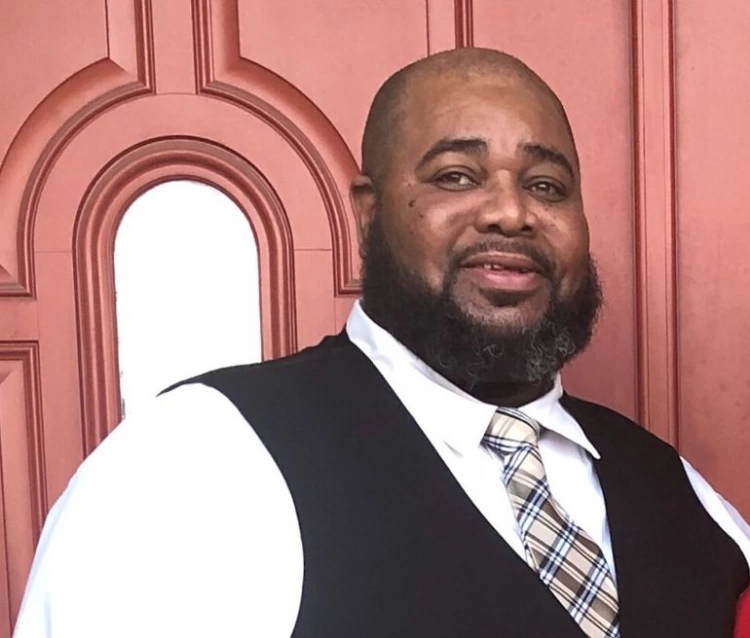
Pastor Aurelius D. Williams
The sermon teaches that while Scripture promises “Ask, seek, knock,” many prayers go unanswered because believers ask with intentions that don’t honor God. Throughout the Bible, miracles were always followed by testimony, but today many Christians stay silent. The pastor challenges listeners to become true worshippers who praise God continually, testify boldly, and align their intentions with God’s purpose. Blessings are not given for comfort alone but for witness, transformation, and service. Even suffering can produce testimony, as shown in the story of Bishop Williams declaring “I love God” after a debilitating stroke. Ultimately, believers must examine their hearts, worship authentically, and live with eternity in mind.
The message is around Matthew 7:7–8 (“Ask, seek, knock”) and John 4:23–24 (“true worshippers”). The central theme is why prayers often go unanswered and what it means to be a true worshipper who receives and testifies of God’s blessings.
Key Points
1. Ask, Seek, Knock — But With Intentions That Honor God
The pastor emphasizes that God already knows our needs, but He also knows our intentions.
Many people ask for blessings but have no plan to use those blessings to glorify God.
Just as we wouldn’t give money to someone who will misuse it, God doesn’t bless us when our intentions are misaligned.
2. Testimony Matters
In Scripture, whenever Jesus healed or delivered someone, they testified.
Today, many believers receive blessings but stay silent.
The pastor challenges the congregation: If God has done something for you, why aren’t you telling anyone?
3. True Worshippers vs. Situational Worshippers
Worship isn’t confined to a church building or a program.
True worshippers praise God continually, in spirit and in truth—not only when life feels good.
The pastor warns against “undercover Christians” whose lives don’t match their words.
4. Why Some Prayers Go Unanswered
The message suggests that unanswered prayers often reflect:
Lack of testimony
Lack of worship
Lack of intention to serve God with the blessing
God doesn’t bless us just for comfort—He blesses us for purpose.
5. Suffering, Healing, and Testimony
Healing isn’t always physical recovery.
The pastor shares a story about Bishop Williams, who after a stroke could barely communicate—but still said, “I love God.”
His testimony, even in suffering, glorified God.
6. This World Is Not Our Home
Believers often act like they’re building a permanent life on earth instead of preparing for eternity.
The pastor urges the congregation to focus on their eternal home and live in a way that reflects Christ daily.
7. Self-Examination
The sermon repeatedly calls listeners to examine:
Their intentions
Their worship
Their testimony
Their spiritual consistency
True worship requires honesty, repentance, and daily alignment with God.
Overall Message
The sermon is a passionate call to become true worshippers—people who ask God with pure intentions, testify boldly about His works, worship Him continually, and live with eternity in mind. Blessings are not given for comfort alone but for purpose, witness, and transformation.
Key Takeaways
- Intentions matter to God. He knows what we plan to do with the blessings we ask for.
- Unanswered prayers often reflect unaligned intentions, not God’s inability to act.
- Testimony is essential. In Scripture, every miracle was followed by someone telling what Jesus did.
- True worshippers worship “in spirit and in truth,” not only in church or when life feels good.
- Blessings come with purpose, not just comfort.
- Suffering can still produce testimony, even when healing isn’t physical.
- We must examine ourselves, not blame others, for spiritual stagnation.
- This world is not our home. Our lives should reflect preparation for eternity.
- Worship is continual, not situational or program‑based.
- Your testimony doesn’t require theological depth — just honesty about what God has done for you.
